How to Clean a Rangehood Filter (NZ Homes): Step-by-Step
- Home
- How to Clean a Rangehood Filter (NZ Homes): Step-by-Step

A greasy rangehood filter is one of the most overlooked jobs in the kitchen. Here’s how to get it properly clean, how often to do it, and how to tell when it’s overdue.

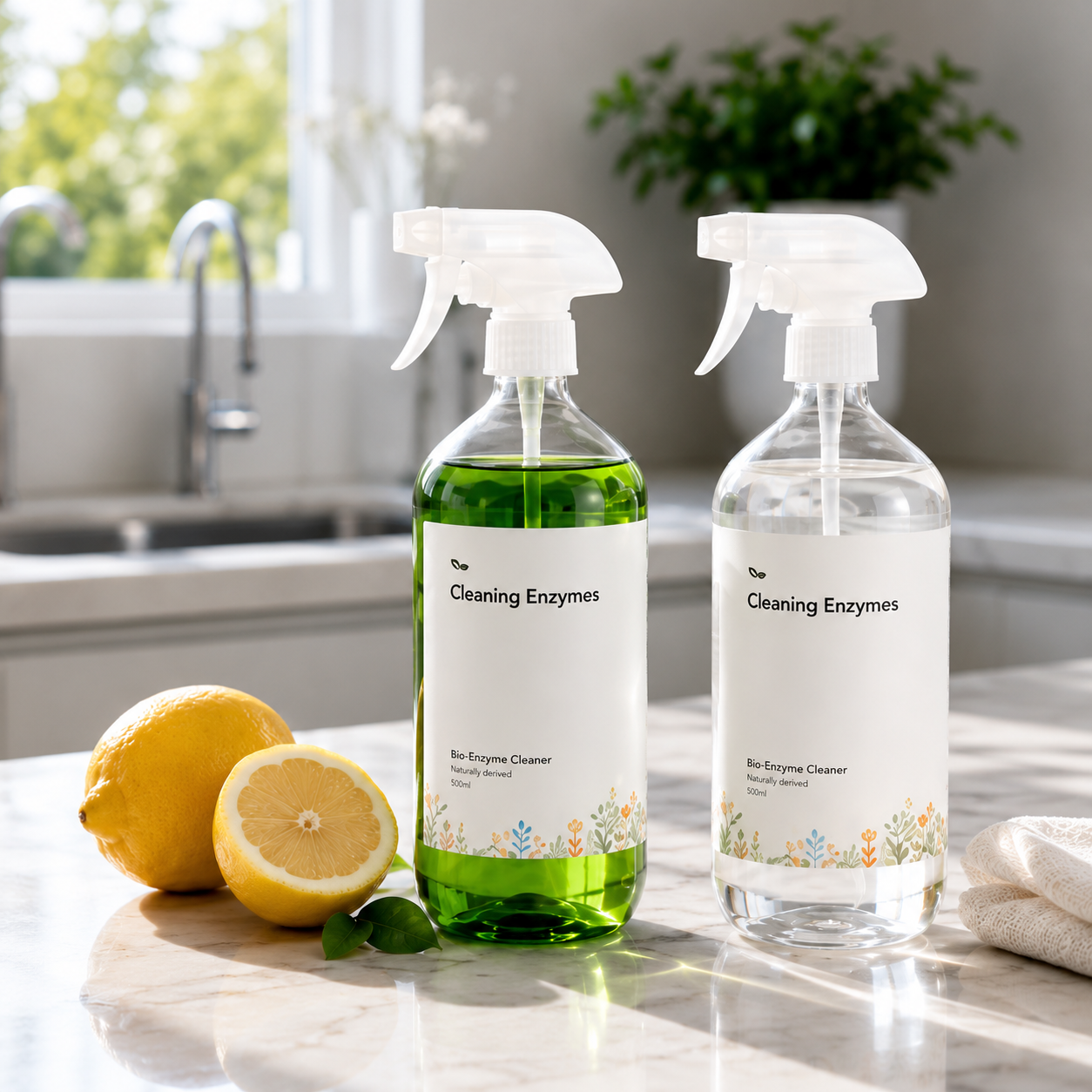
Remove the filter, then soak it in hot water with a concentrated enzyme degreaser for 20–30 minutes so the enzymes break the grease down. Scrub gently with a soft brush, rinse well, and let it dry completely before refitting — most mesh filters come up like new.
Rangehood filters get skipped because they’re out of sight, but a clogged filter means your extractor is working harder and doing less. The good news is it’s a simple soak-and-scrub job, not a scrubbing marathon.
Mesh filters (stainless steel or aluminium) need cleaning every 1–3 months — monthly if you cook daily, roughly every three months if you cook occasionally. Charcoal filters can’t be cleaned at all and should be replaced every 3–6 months, or sooner if cooking smells start lingering.
The honest answer is “more often than you’re doing it now” for most households. If you’re frying or roasting several times a week, grease builds up fast enough that a monthly soak is worth putting on a recurring reminder. Occasional cooks can usually stretch it to every three months without the extraction suffering.
Yes — but only stainless steel or aluminium mesh filters. Stand it upright in the rack and run the hottest, longest cycle your dishwasher has, ideally a pots-and-pans setting. Never put a charcoal filter in the dishwasher; it isn’t washable and will simply fall apart.
The dishwasher is a genuinely good option for finishing off a filter after it’s been soaked and scrubbed — the extra heat and water pressure gets into the mesh in a way hand-scrubbing can’t quite match. It’s not a substitute for the soak though, just a helpful last step for stubborn grease.
Look for a visible grease film on the mesh, noticeably weaker extraction while you’re cooking, cooking smells that hang around long after the pan is off, and a slightly sticky feel when you touch the filter. Any one of these means it’s overdue.
Mesh filters (stainless steel or aluminium) sit in ducted rangehoods that vent air outside, trap grease, and can be washed and reused indefinitely. Charcoal filters sit in ductless, recirculating rangehoods, absorb odours with activated carbon, and can’t be cleaned — they’re replaced every 3–6 months instead.
Not sure which one you’ve got? If your rangehood connects to ductwork that vents outside, you almost certainly have a washable mesh filter. If it recirculates air straight back into the kitchen with no external venting, it’s a charcoal filter, and no amount of soaking will bring it back — replacing it is the only option.
Every time you fry, roast, or pan-sear, airborne grease particles get pulled through the filter along with steam and smoke. The mesh is designed to trap that grease, so build-up is a sign it’s doing its job — it just means it needs a regular clean to keep working properly.
Extend the soak to a full hour in hot water with a concentrated enzyme degreaser, then finish with a cycle in the dishwasher on the hottest setting. The combination of a long soak and dishwasher heat handles heavy build-up without much scrubbing.
Yes, an overnight soak in hot water and enzyme degreaser won’t damage a stainless steel or aluminium mesh filter and can make stubborn grease easier to scrub off in the morning. Just top up with hot water if it cools down significantly.
Yes. A clogged filter reduces extraction, so more smoke, steam and grease end up in your kitchen air and on your walls and cabinets instead of being vented outside. It also makes the rangehood motor work harder than it needs to.
Almost all fixed rangehoods do, whether it’s a mesh or charcoal type. A few integrated or slimline models have filters that need a screwdriver to access — check your manual if the filter doesn’t slide or pop out by hand.
A rangehood filter is a five-minute check and a twenty-minute soak — not a job worth avoiding. Clean mesh filters every 1–3 months, replace charcoal ones every 3–6, and your kitchen air will thank you.
Stephanie founded Clean for Good to bring low-tox, enzyme-based cleaning to homes across Auckland’s North Shore. She writes about the cleaning methods and home-maintenance habits that actually work, without the harsh chemicals.
 |
Ready to come home to a house that feels cared for?Every home is different, which is why every quote starts with a complimentary home visit. We’ll get to know your home, understand what matters most to you, and create a tailored cleaning plan that fits your family. Prefer to chat first? 020 4010 2470
|